
Streamline CSRD Compliance
The award-winning Risilience-powered platform, Riise, delivers financially-quantified analytics to turn risk into business opportunity.
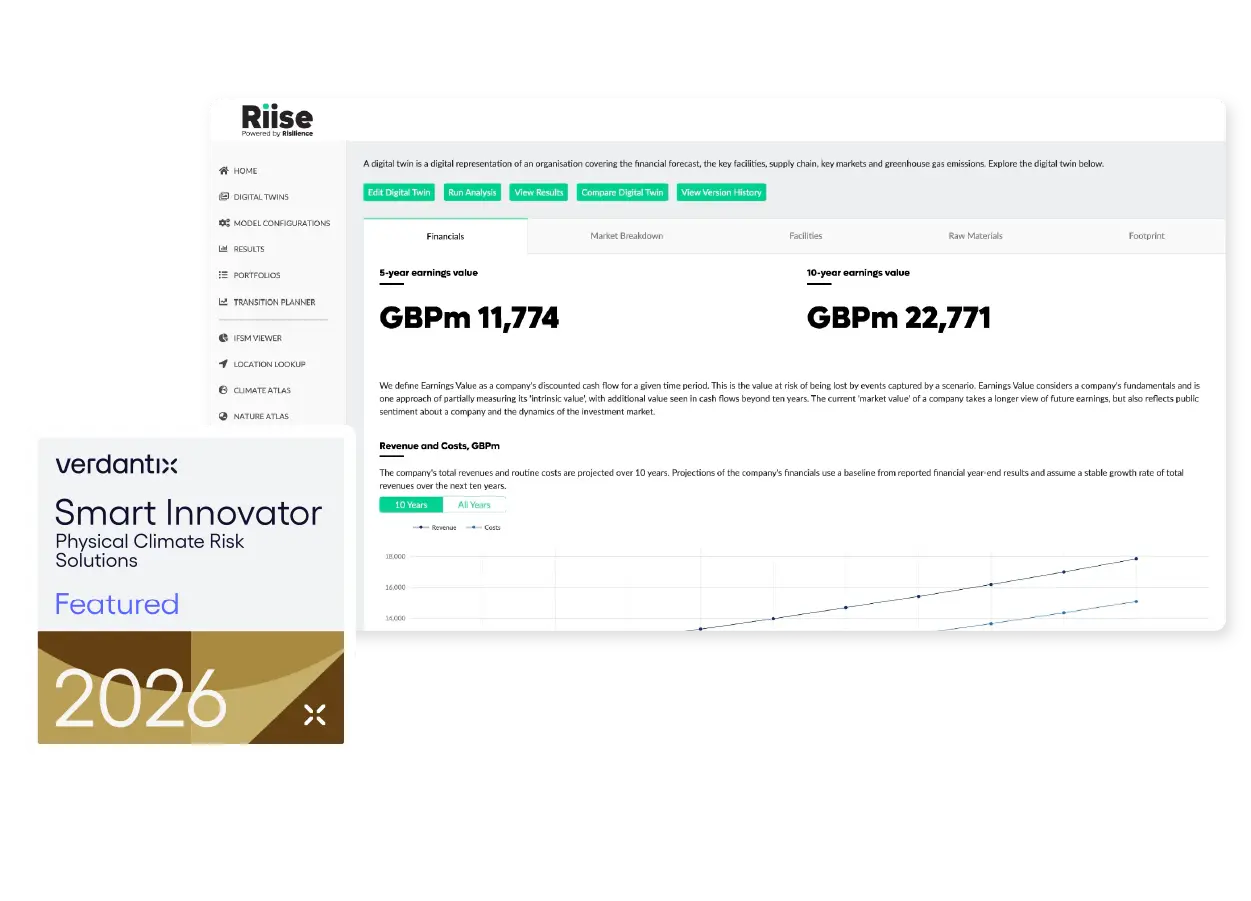












Award-winning climate risk platform and expert advisory

Support for regulatory responses across physical risk, transition risk, and nature

Audit-ready financial quantification of climate risk
CSRD PHYSICAL CLIMATE RISK DISCLOSURES
Identify, Quantify, and Act on Physical Risk Exposure
- Respond to ESRS E1 Disclosure Requirements: Assess physical climate risks across operations to deliver the forward-looking quantitative data required by CSRD
- Model Chronic Risk Trajectories: Map long-term variables like temperature shifts and precipitation patterns to disclose the projected financial impact on asset values
- Quantify Acute Hazards: Project how floods, wildfires, and storms drive operational downtime and raw material volatility to inform transition plan disclosures
- Drive Audit-Ready Strategic Capital Allocation: Embed physical climate insights directly into your long-term resilience planning and mandatory CSRD reports
CSRD BIODIVERSITY & ECOSYSTEM DISCLOSURES
Turn Ecosystem Dependencies into Financial Intelligence
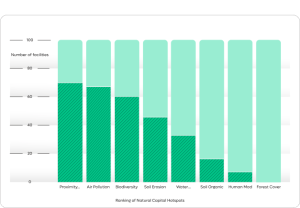
- Map Supply Chain Dependencies: Pinpoint land, water, and raw material vulnerabilities to reduce geographic concentration risks
- Implement TNFD-Aligned Frameworks: Leverage climate risk assessment capabilities to support the LEAP process (Locate, Evaluate, Assess, Prepare)
- Apply Double Materiality Perspectives: Capture your environmental impact and the financial risks of ecosystem degradation on your balance sheet
- Mitigate Biodiversity-Related Transition Shocks: Forecast how regulations and shifting market preferences may impact future cost structures
CSRD CLIMATE CHANGE TRANSITION ANALYSIS
Leverage NGFS Scenario Modelling for Forward-Looking CSRD Disclosures
- Simulate NGFS-Aligned Pathways: Model how global macroeconomic conditions shift under different scenario pathways to deliver a thorough climate risk assessment
- Prepare for Policy and Regulatory Shocks: Assess the impact of carbon pricing and strict emissions limits on operational margins
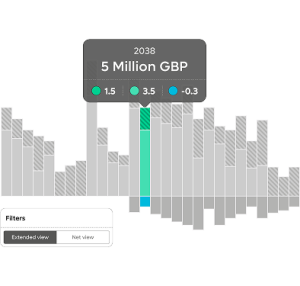
- Demonstrate Decarbonisation ROI: Root finance, risk, and sustainability goals in costed, stress-tested transition plans that secure stakeholder and investor trust
- Identify Emerging Market Opportunities: Convert regulatory challenges into strategic advantages in transitioning markets
Contact
Speak to an Expert
At Risilience, our mission is to help global organizations to build strategic resilience and grow business value in the era of climate disruption and economic uncertainty.
Book a call with one of our experts to learn more.
CSRD FAQs
The Corporate Sustainability Reporting Directive (CSRD) establishes a set of disclosure requirements for companies operating within the European Union. Part of a broader suite of policies designed to help the bloc meet its climate commitments, CSRD requires companies in scope to report both qualitatively and quantitatively on a wide range of environmental, social and governance (ESG) topics. Unlike previous reporting frameworks, CSRD requires double materiality assessments. This means that companies must report both on how climate change affects their business (financial materiality) and how their business impacts the planet and society (impact materiality).
The enforcement of CSRD falls to Member State national authorities – CSRD is a Directive transposed into Member State national law. CSRD does not define a financial value for penalties but states that these must be ‘effective, proportionate and dissuasive’. It provides for pecuniary sanctions, a naming and shaming of the responsible legal entity and an order to desist from non-compliance. Full guidance on other factors that should be taken into account by national authorities when determining sanctions can be found in Article 51 of Directive 2013/34/ EU (as amended). Countries have interpreted this in different ways, with the most notable being France, which has introduced potential prison time for corporate directors who fail to comply.
Yes, Riise can support companies with climate risk assessments using audit-ready data and NGFS scenarios to help meet global regulatory disclosure requirements.
Unlike traditional consulting, Risilience offers comprehensive climate risk assessments through a subscription model, delivering predictable costs.