

Future facing: advancing L’Oréal’s sustainability journey to net zero
As the world’s largest beauty brand, L’Oréal has led the way in integrating economic performance with sustainability. 2025 marks the halfway point in the L’Oréal for the Future programme – and the clock is ticking.
Climate risk is business risk – and there’s no one-size-fits-all answer.
L’Oréal‘s ongoing and ambitious journey to a net-zero future has seen many achievements – nine consecutive triple ‘A’ score from the Carbon Disclosure Project (CDP) and the launch of its sustainable innovation accelerator programme. However, challenges persist in the shape of reducing Scope 3 emissions across a vast, complex supply chain, navigating the changing global regulatory landscape, and dependency on natural resources as well as meeting ever-changing market trends and consumer and investor expectations.
The Risilience platform and team of experts support some of the largest global corporates to understand exposure to climate-and-nature-related risks across business units and geographies. In short, Risilience could pinpoint where L’Oréal’s biggest impacts lie, model the business risks, and turn that insight into clear, actionable strategies to meet the organisation’s 2030 goals and beyond.
What we do
Find out how Risilience can help L'Oréal on their journey to net zero.

Risk identification
Risilience can help to identify the material climate-related financial risks L’Oréal faces. Our models cover both physical threats to the organisation’s sourcing of botanical ingredients, product manufacturing sites, and distribution, as well as emerging transition risks as the beauty industry shifts toward circular, low-carbon models. Risilience can highlight risks based on the organisation’s global operations, upstream suppliers, packaging footprint, and highest value supply chain links.
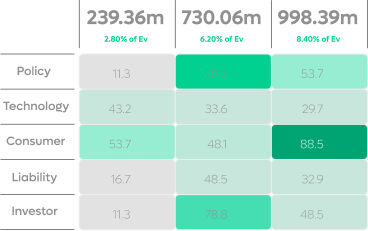
Summary financial impact of climate risk.
Scenario analysis
L’Oréal has made bold commitments under the L’Oréal for the Future plan — net zero emissions across all sites by 2025, 50 per cent reduction in absolute emissions by 2030, fully sustainable traceable ingredients, and carbon-neutral production. Risilience models how NGFS climate scenarios could reshape raw material supply, supplier cost pressures, transport disruptions, packaging regulations and consumer expectations. We layer in shifts in eco-labelling, liability exposure, and downstream customer demand, which gives foresight to strengthen ISSB and CSRD reporting and adapting to emerging risks.
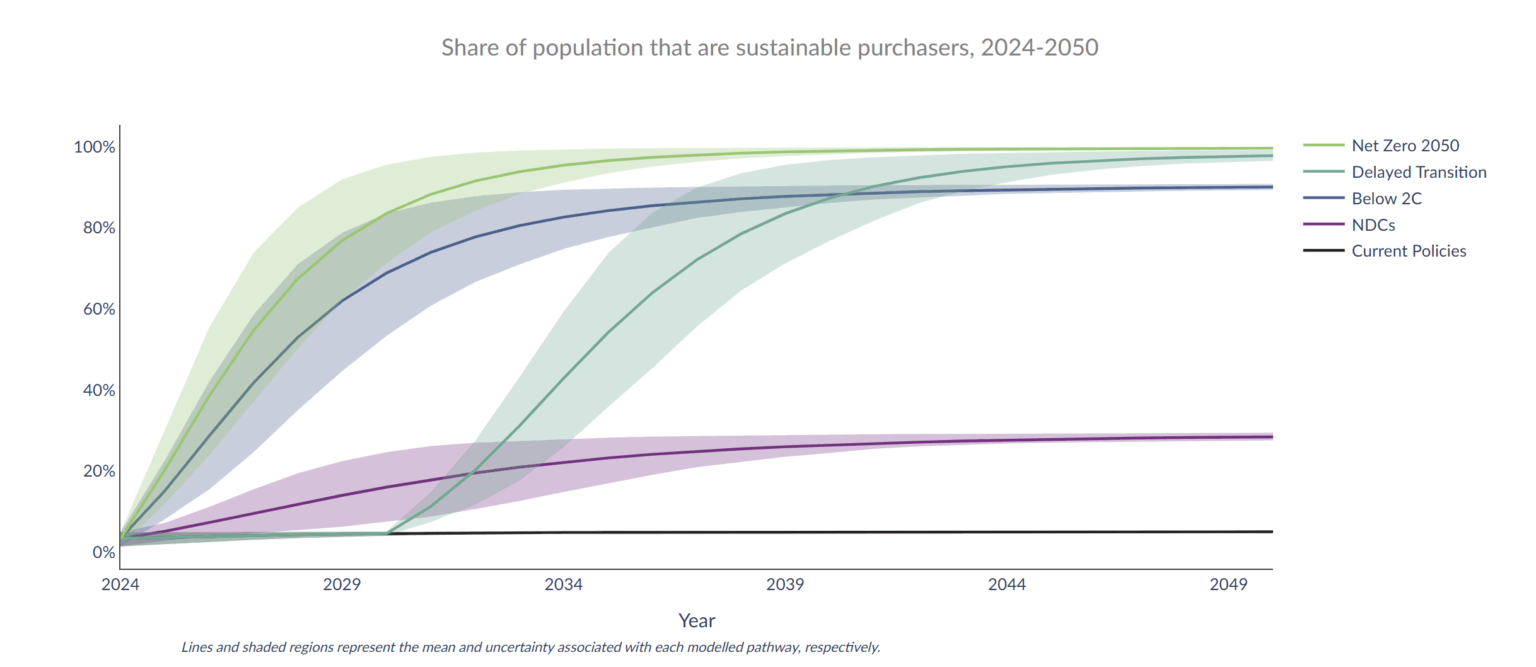
Financial impact quantification
Scope 3 emissions remain one of L’Oréal’s biggest challenges, especially for packaging and raw materials. Sustainability investments can be costly. Risilience translates climate threats and strategic responses into clear financial numbers: effects on revenue, cost lines, capital investments, asset valuation, and cost of capital. We provide the robust data needed to show how climate risk is material to investors, safeguard brand trust and embed resilience into financial decisions.
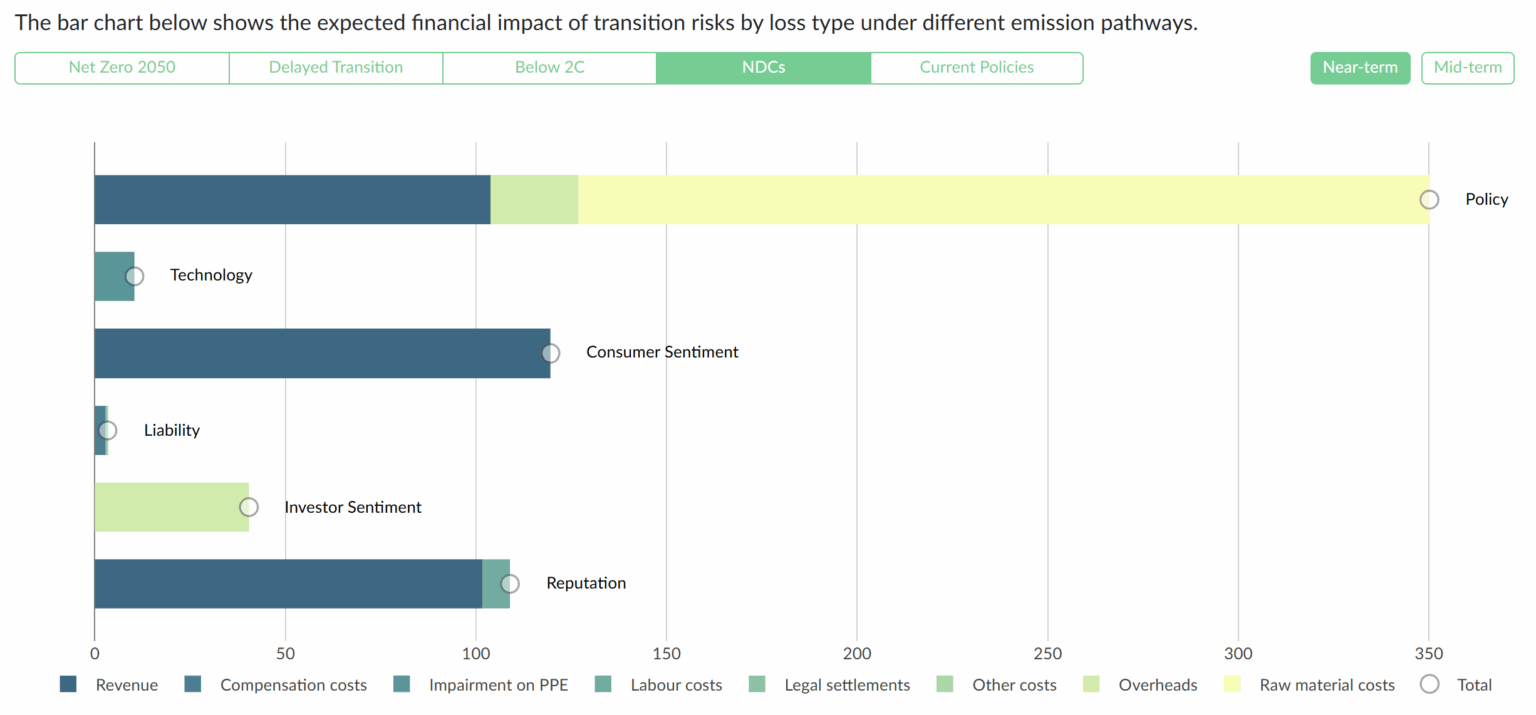
Report on key metrics and targets
Model future emissions trajectories, accounting for sectoral decarbonisation trends
Model and track decarbonisation initiatives and quantify their impact on company Earnings Value
Assess transition risks and opportunities at a country, product and enterprise level to plan resilient strategies
Map exposure to physical and nature-related risks for key commodities to support biodiversity commitments
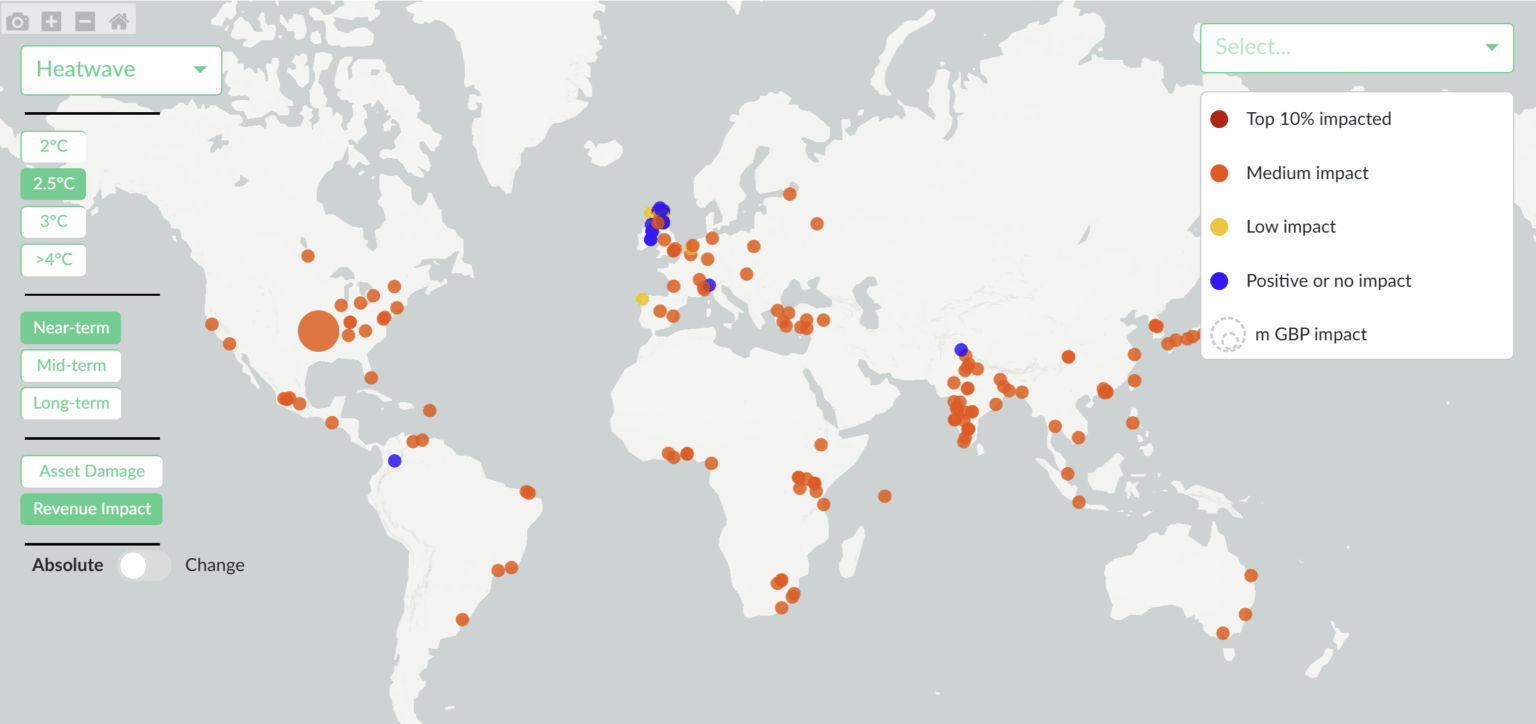




Speak with a member of our team
Book a session with our team to explore how Risilience can help L’Oréal meet its climate goals, leverage compliance with SB 261 and CSRD, and turn sustainability commitments into measurable business results.











Contact
Let's connect
Learn how Risilience can support your company to succeed in the low-carbon economy.
Case study: how Risilience enables Reckitt to quantify climate risk